Call us: 021 178 2575
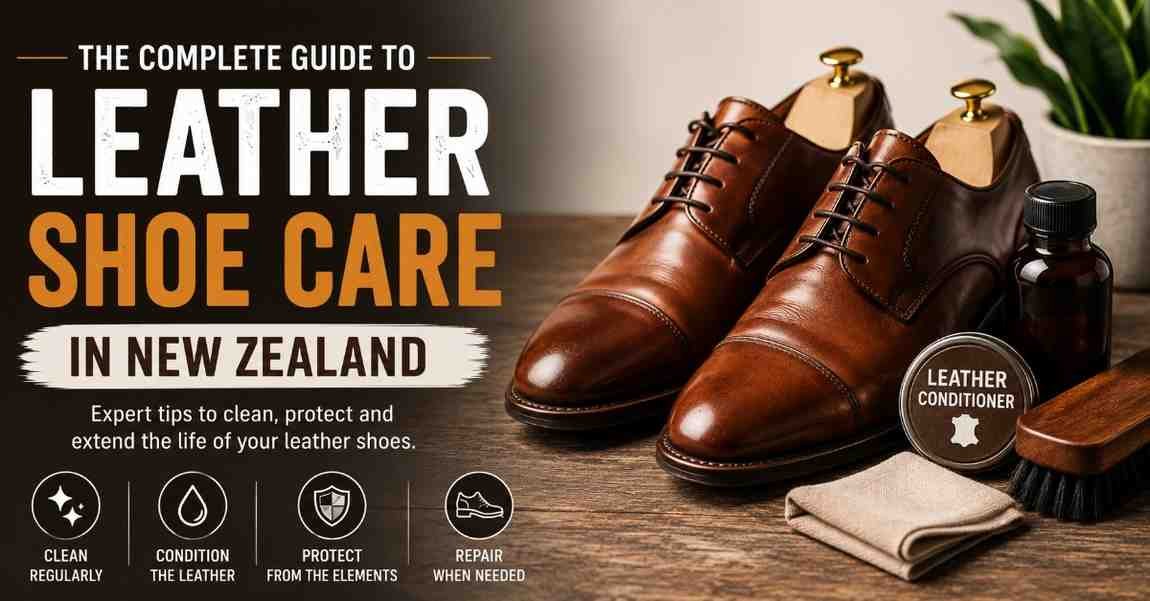

A quality pair of leather shoes is more than just footwear—it’s an investment. Whether you wear leather dress shoes to the office, sturdy leather work boots on the job, or premium casual shoes on weekends, proper care can dramatically extend their lifespan and keep them looking their best.
New Zealand’s varied climate presents unique challenges for leather footwear. Rain, humidity, dust, UV exposure, and everyday wear can all take a toll if shoes aren’t properly maintained.
In this complete guide, we’ll explain how to care for leather shoes, common mistakes to avoid, when professional repairs are needed, and how to make your favourite footwear last for years.
Why Leather Shoes Need Regular Care
Leather is a natural material that requires ongoing maintenance.
Without proper care, leather can become:
- Dry and brittle
- Cracked
- Water damaged
- Faded
- Misshapen
- Uncomfortable
Routine cleaning and conditioning protect the leather while helping your shoes maintain their appearance and durability.
How New Zealand’s Climate Affects Leather Shoes
New Zealand’s weather can change quickly, especially during winter.
Leather footwear is commonly exposed to:
- Rain
- Mud
- Moisture
- UV sunlight
- Dust and dirt
- Changing temperatures
These conditions gradually remove natural oils from leather, causing it to dry out and age prematurely.
Step 1: Clean Your Shoes Regularly
After wearing your shoes, remove:
- Dust
- Dirt
- Mud
- Small stones
Use:
- A soft horsehair brush
- A slightly damp cloth
- Leather-safe cleaner when necessary
Never leave mud to dry on leather as it can absorb moisture from the material.
Step 2: Let Wet Shoes Dry Naturally
If your shoes become wet:
✔ Remove any excess water with a soft towel.
✔ Stuff the shoes with newspaper or shoe trees to help retain their shape.
✔ Allow them to dry naturally in a well-ventilated area.
Avoid placing leather shoes:
- Next to heaters
- On fireplaces
- In direct sunlight
- Under a hair dryer
Rapid drying removes essential oils from the leather and may cause cracking.
Step 3: Condition the Leather
Leather gradually loses its natural oils through regular use.
Applying a quality leather conditioner every few months helps:
- Restore moisture
- Prevent cracking
- Improve flexibility
- Extend lifespan
Conditioning is especially important after prolonged exposure to rain.
Step 4: Polish Your Shoes
Shoe polish does more than improve appearance.
It also helps:
- Protect leather
- Restore colour
- Minimise small scratches
- Create a protective surface
For best results:
- Match the polish colour to your shoes.
- Apply a thin layer using a soft cloth.
- Allow it to dry before buffing with a brush.
Step 5: Use Shoe Trees
Wooden shoe trees help:
- Maintain shape
- Reduce creasing
- Absorb moisture
- Extend shoe life
They’re one of the simplest investments you can make for quality leather footwear.
Step 6: Rotate Your Shoes
Wearing the same pair every day doesn’t allow leather enough time to dry completely.
Ideally, rotate between two or three pairs.
This gives each pair time to recover while reducing moisture build-up and extending overall lifespan.
Step 7: Protect Leather Before Winter
Before wet weather arrives:
- Clean your shoes thoroughly.
- Apply leather conditioner.
- Polish them.
- Consider a water-resistant leather protector suitable for your footwear.
Preventative care is much easier than repairing water damage.
Common Leather Shoe Problems
Cracked Leather
Usually caused by:
- Lack of conditioning
- Excessive heat
- Age
- Water damage
Small cracks can sometimes be improved through professional leather restoration.
Scuffs and Scratches
Minor surface scratches are common. Professional polishing and leather treatment can often restore the finish without replacing the shoes.
Worn Soles
Many people focus only on leather care while ignoring worn soles. If the sole has become smooth or uneven, professional replacement can restore grip and comfort.
Learn more in our guide: Can Worn-Out Soles Be Replaced?
Loose Stitching
Small stitching issues can quickly become larger structural problems if left unattended.
Early repairs are usually quicker and more affordable.
Worn Heels
Uneven heel wear affects:
- Walking comfort
- Balance
- Posture
Replacing heels early helps prevent additional wear throughout the shoe.
When Should Leather Shoes Be Professionally Repaired?
Consider professional repairs if you notice:
- Sole separation
- Worn heels
- Broken stitching
- Damaged zips
- Cracked leather
- Water entering the shoe
- Loose soles
Professional repairs often restore footwear for a fraction of the replacement cost.
Is It Worth Repairing Leather Shoes?
In most cases, yes.
High-quality leather shoes are specifically designed to last for many years with proper maintenance.
Professional repairs allow you to:
- Save money
- Preserve comfort
- Extend lifespan
- Reduce waste
Learn more here: Is It Worth Repairing Shoes Instead of Buying New Ones?
How Much Does Leather Shoe Repair Cost?
Repair costs depend on the type of work required.
Common services include:
- Sole replacement
- Heel repairs
- Stitching
- Leather restoration
- Zip replacement
For an overview of pricing, read: How Much Does Shoe Repair Cost in New Zealand?
How Long Do Professional Shoe Repairs Take?
Many customers are surprised to learn that numerous repairs can be completed much faster than expected.
If you’re planning repairs, our guide explains what affects turnaround times:
How Long Does Shoe Repair Take?
Professional Leather Shoe Repairs
Even with excellent care, every pair of shoes will eventually require maintenance.
Classic Keys & Shoe Repairs provides professional services including:
- Leather shoe repairs
- Sole replacement
- Heel replacement
- Stitching repairs
- Boot repairs
- Leather restoration
- Shoe stretching
We help restore your favourite footwear so you can continue enjoying them for years to come.
Final Thoughts
Leather shoes are built to last, but only if they’re properly cared for. Regular cleaning, conditioning, polishing, and timely repairs can dramatically extend their life while keeping them comfortable and looking their best.
If you notice worn soles, loose stitching, cracked leather, or damaged heels, don’t wait until the problem becomes worse. Professional repairs are often a cost-effective alternative to buying a new pair.
At Classic Keys & Shoe Repairs, we’re committed to helping customers protect their investment in quality footwear with expert repair and restoration services.
Frequently Asked Questions
How often should I polish leather shoes?
For regularly worn shoes, polishing every 4–8 weeks is a good rule of thumb. Shoes exposed to wet or harsh conditions may need more frequent care.
Can cracked leather shoes be repaired?
Minor cracks can often be improved with professional leather restoration, but deep cracks may not be fully reversible. Regular conditioning helps prevent cracking.
How long do leather shoes last?
With proper care and timely repairs, quality leather shoes can last for many years—often far longer than inexpensive footwear.
Is it okay to wear leather shoes in the rain?
Occasional exposure to rain is fine, but leather should be dried naturally and conditioned afterwards to prevent moisture damage.